A good xeriscape in Los Angeles does more than save water. It respects a block’s wind, the alley sun that bakes walls at 3 p.m., the neighbor’s mature jacaranda that drops a purple carpet every June. The best designs feel inevitable, as if the home and site nudged you toward the right palette, the right stone, the right shade structure. Designing that way in Los Angeles means thinking neighborhood by neighborhood. Venice is not Woodland Hills. Pasadena’s foothills are not Rancho Palos Verdes. Microclimate and topography shape every smart choice, from plant selection to drainage, and that is where the practical magic of xeriscape begins.
Read the neighborhood first
I keep a mental map of Los Angeles pinned to a weather report. The coastal neighborhoods from Santa Monica to the South Bay run cooler for much of the year. Morning marine layers soften sunlight and reduce evapotranspiration, then onshore winds dry the soil in the afternoons. A plant that fries in Tarzana might thrive two miles from the beach. In these coastal pockets, I lean into plants that tolerate foggy mornings and salty air: sea lavender, coast rosemary, California fuchsia, and dwarf olives manage the breeze and require little water once established. Hardscape stays lighter in tone to prevent heat soak, and permeable pavers help sandier soils hold on to modest irrigation.
Cross Sepulveda into the San Fernando Valley and the thermostat jumps. Backyard thermometers read 10 to 15 degrees warmer than the Westside on many summer afternoons. Heat islands build in neighborhoods with tight setbacks, stucco walls, and dark roofs. Xeriscape in the Valley has to mitigate temperature swings while accepting real heat. Here, plant spacing matters more. I often push spacing 10 to 20 percent wider than nursery tags suggest to keep airflow between shrubs. Mulch gets thicker too, 3 to 4 inches, to slow water loss. Heat lovers like desert museum palo verde, purple sage, Mexican feather grass, and the newer compact achillea cultivars hold color without demanding frequent irrigation cycles.
The foothill communities that arc from Glendale through La Cañada Flintridge to the San Gabriels bring a different calculus. The soils trend rocky and fast draining, slopes are common, and wildfire defensible space is a design parameter, not a footnote. In these neighborhoods, drought tolerant does not simply mean low water, it means fire wise spacing, plant massing that avoids ladder fuels, and hardscape breaks that double as paths and ember-resistant zones. A crisp band of decomposed granite along a house wall can be both beautiful and prudent.
On the Eastside, from Highland Park to Echo Park and Silver Lake, lots are tight, views matter, and the sun arcs across bungalows with limited shade. Xeriscape has to multitask. Terraced moments create short run seating ledges, edible pockets, and infiltration swales that catch roof runoff during winter storms. Succulents and low-mounding natives go into hot terraces, while shade-loving dry garden stalwarts like Mahonia ‘Soft Caress’ can slip into north side courtyards where light is thin but reliable.
Hillside properties across Los Feliz, Bel Air, Studio City, and Pacific Palisades demand a drainage-first mindset. Before sketching a plant palette, I walk the slope after a rain if possible. Where the hillside sheds water tells me where retaining walls may be justified, where a French drain can intercept a seep, and where planters need weep holes or structural soil. If a client asks why we start with drains in a xeriscape, the answer is simple. You only control irrigation while the sky controls storms. Responsible xeriscape balances both. It is no accident that “Why Proper Drainage Is Essential for Hillside Properties” has turned into a conversation we have as often as plant talk.
Soil, infiltration, and why you almost always need more mulch
Los Angeles rarely lacks sun, it lacks water retention. Our clay-loam pockets compact, our slopes shed, and in many tract developments imported fill creates layers that repel water until it finds a seam and rushes away. The fastest way to improve a xeriscape is to improve the soil’s ability to accept, hold, and slowly release water where roots can use it.
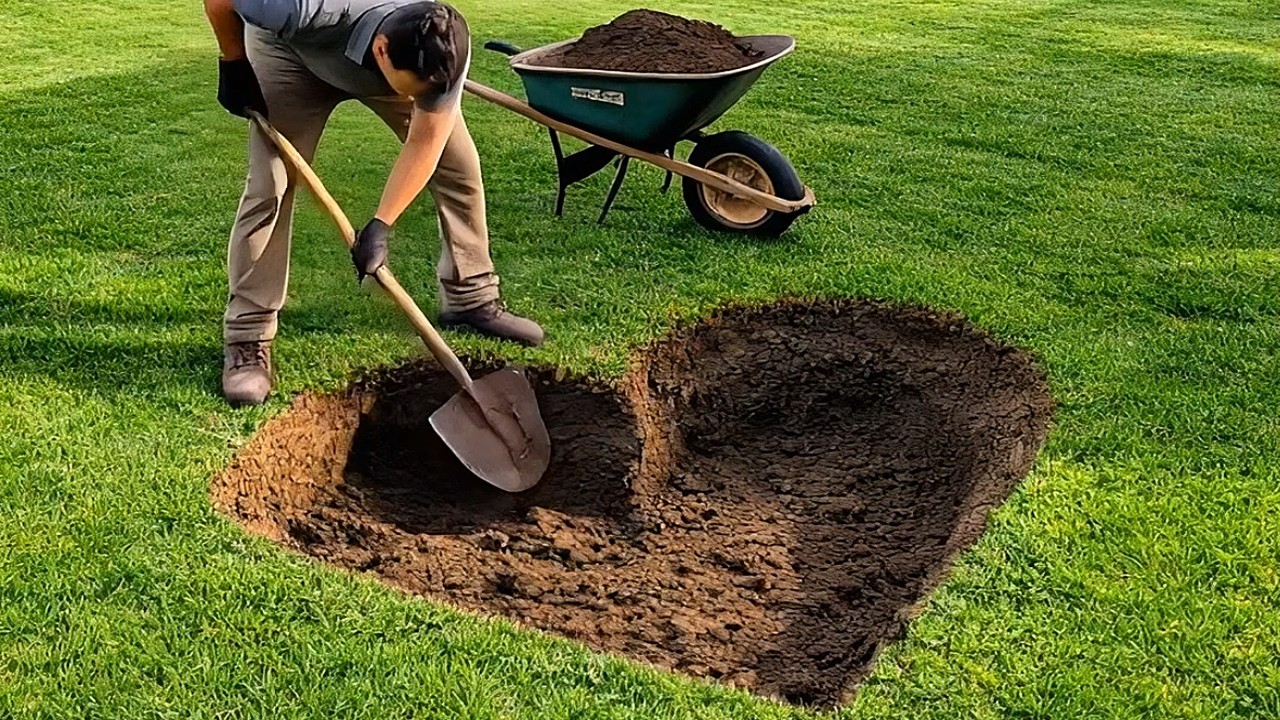
For flat or gently sloped lots from Mar Vista to Sherman Oaks, I like to amend planting holes with 20 to 30 percent coarse compost, then top dress the whole planting area rather than over-amend individual pits. That practice limits perched water tables and discourages roots from circling in over-rich pockets. Mulch is your ally. Arborist chips are inexpensive, look natural in a dry garden, suppress weeds, and moderate soil temperature by several degrees. Three inches is a baseline, four on sunbaked edges.
Hillsides need structural thinking. Rather than deep amending, I depend on terraces, boulder pinning, and shallow-rooted, fibrous plants that stabilize the surface. If the slope collects water from an uphill property, a perforated French drain in washed rock, with fabric that breathes but resists fines, can quietly keep plant zones from becoming boggy after storms. “Everything You Need to Know About French Drains and Yard Drainage” could be a book in Los Angeles, because most problems I’m called to fix started as small drainage oversights.
Plant palettes that match neighborhood microclimates
I design from the big bones down to the small color notes. Start with structure plants that define space through form rather than flowers, then weave in seasonal interest. Neighborhood climate guides the shortlist.
On the coast, a layered palette might begin with olive standards or multi-trunk Arbutus ‘Marina’ to bring evergreen mass that handles wind and limited summer irrigation. Understory shapes can be Westringia ‘Mundi’, lampranthus for a spring carpet, and California fuchsia for the late summer hummingbird rush when everything else rests. I tuck in thyme or dymondia as living mulch where foot traffic is light. Many coastal homeowners ask about turf. If usable play space is essential, a compact area of hybrid bermuda with a smart controller and high-efficiency MP rotator heads can keep water use in check. If the lawn is more visual than active, a mixed mat of Carex pansa and stepstone paths usually wins the maintenance and water budget.
In the Valley, I lean heavier on shade creation. A triad of heat tolerant trees can cut perceived temperature in a yard by 5 to 10 degrees by year three. Desert willow ‘Burgundy’, tipu, or improved thornless mesquite get the canopy started while staying miserly with water. Beneath them, aromatic salvias, leucospermum in the right pockets, and grey-foliaged artemisia carry color and texture against hot stucco. Many Valley projects also benefit from dry streambeds, not as decor, but as storm routing. A well-graded swale wearing cobble and native grass tufts moves winter rain to infiltration zones and keeps patios dry when the Pineapple Express pays a visit.
The Pasadena and foothill corridor rewards chaparral vibes done with restraint. Manzanita cultivars like ‘Howard McMinn’ or ‘Sunset’ handle reflected heat off masonry and reward minimal summer water. Toyon, buckwheats, and ceanothus make birds happy and hold slopes. I keep irrigation here to deep, infrequent cycles. Overwatering is the fastest way to kill a manzanita. For sparks of seasonal color, Santa Barbara daisy threads through boulders and stairs without surrendering water savings.
For the Eastside’s intimate courtyards and the hilly Silver Lake lots, texture and silhouette carry more weight than swaths of lawn ever could. Blue glow agave, mangave hybrids, and hesperaloe create architecture at plant scale. Pocket orchards of olives or figs can survive on monthly deep watering once established, delivering shade and fruit. The trick is not to cram. Give feature plants room to breathe and your xeriscape suddenly looks high design instead of crowded.
In South Bay neighborhoods where ocean breezes salt the air, I avoid fussy edibles and lean into plants that evolved near coasts: myoporum, pittosporum tobira ‘Wheeler’s Dwarf’, chondropetalum, and lomandra ‘Platinum Beauty’ keep moving air and glare in check. Hardscape sits lightly. Permeable pavers or open-joint porcelain planks over gravel give your patio a crisp finish and let winter rain soak in rather than sheet to the curb.
If you want a single reference primer beyond this article, many homeowners have found “The Complete Guide to Drought-Tolerant Landscaping in Los Angeles” useful for cross-checking plant needs. A xeriscape thrives on getting 80 percent of the choices right, consistently.
Hardscape choices that help plants, not fight them
Water wise design is not just about what you plant. It is also about where you harden the ground and how those surfaces interact with heat and water. A permeable paver patio usually beats a monolithic slab in this climate, especially if you are already rethinking irrigation. Joints allow infiltration, underground base layers act as temporary reservoirs after storms, and, with the right bedding, roots from nearby trees share that water slowly. The upfront cost of a quality paver system in Los Angeles currently ranges from roughly 25 to 40 dollars per square foot for straightforward patios, with premium stone or complex details pushing above 50. Concrete can be cheaper in simple applications, but it comes with control joints and less design flexibility if you expand later.
Driveways offer another meaningful choice. Traditional broom-finished concrete works, but modern driveway design in the city has moved toward concrete ribbons with planted centers, or permeable paver fields with clean border bands. The visual rhythm improves curb appeal, and the water budget improves too. Not every site can accept infiltration due to underlying clay or slope, but where it works, driveway pavers connected to a subsurface gravel reservoir let hundreds of gallons per storm recharge the soil.
Tread carefully with dark stone in the Valley or on south facing courtyards. Black basalt looks razor sharp in a portfolio photo, then punishes bare feet in August. In Venice or Manhattan Beach, dark accents read beautifully in the softer light.
Pergolas and shade structures have stepped into a starring role. Clients who read “Why More Los Angeles Homeowners Are Installing Custom Pergolas” have taken the cue. A well placed pergola moderates microclimate so effectively that your plant palette changes. Under slatted shade, you can support lomandra, muhly grass, and manzanita that would otherwise crisp on reflective patios. If you wire that pergola for low voltage lighting and a ceiling fan, your evening use extends and your xeriscape becomes a second living room.
Turf, or not: making a call that fits how you live
Lawns are deeply personal in Los Angeles. Some families truly use them for soccer, barefoot stories, and cartwheels. Others water an emerald rectangle because it seems like a yard is supposed to have one. If you are on the fence, weigh the choice using practical tradeoffs.
Short checklist for right-sizing turf
- Identify the specific activity you need grass for and assign square footage to it. Measure where shade already falls at 4 p.m. In July to avoid placing turf in constant heat. Test soil infiltration with a simple hose and timer to see if runoff starts within 5 minutes. Choose one irrigation zone dedicated to the turf, never share with shrubs or beds. Budget annual maintenance time and dollars, including dethatching, aeration, or infill if synthetic.
Artificial turf vs natural grass in Southern California

- Water use: Synthetic uses almost none to live, but benefits from an occasional rinse. Warm season natural grass can sip water if you accept seasonal dormancy. Heat: Synthetic surfaces run hot in direct sun. Natural grass cools the air through transpiration. Lifespan and feel: Quality synthetic can last 10 to 15 years before flattening or UV fade, but never feels like cool fescue on a May evening. Ecology: Natural lawns support some soil life and infiltration. Synthetic interrupts the soil ecosystem and requires a robust sub-base to drain properly. Cost: Synthetic installs in the Los Angeles market often range from 12 to 20 dollars per square foot depending on base prep and product. A small, well managed natural lawn costs less to install but more to water and maintain over time.
One hybrid solution that works on many projects is a small natural lawn tucked into a coastal or shaded zone paired with large planted areas and hardscape elsewhere. It satisfies the foot-feel itch without blowing the water budget.
Fire, water, and light that respect drought
Even in a xeriscape, you can stage elemental moments. Fire features in Southern California are cultural. A circular, stucco-clad pit with glass beads is not the only option. Long linear troughs, elevated metal bowls, or low rectangular concrete forms settle nicely into modern gardens. If you flip through “12 Fire Pit Designs Perfect for Southern California Entertaining,” you will see a range from rustic boulder hearths to sleek slot fires integrated into bench seating. Consider wind. In Playa Vista, a tall flame dances like a flag on breezy nights. In Encino, wind is gentle, but heat accumulates. That changes burner selection and gas line sizing.
Low-flow water elements can still make sense in a drought resistant yard. A tight sheet flow over basalt with a recirculating pump loses little water, invites birds, and softens street noise. Keep surfaces small, evaporation minimal, and make the basin accessible for quick cleanouts. If you crave bigger movement, spread the idea into a series of rock basins along a slope that turn on only during gatherings. “12 Backyard Water Feature Ideas for Los Angeles Homes” leans into this kind of modular thinking.
Lighting rarely shows up on plant lists, but it shapes how a xeriscape lives after sunset. Low voltage LED systems curb power use and keep fixtures cool against dry plants. Path lights at 2,700 Kelvin feel warm without turning orange. I tend to aim for pools of light, not blanket coverage. Uplight one beautiful arbutus, edge light a gravel path, and let the rest disappear. Clients frequently come back after a season and say utility plus security improved most. There is no surprise in that. “10 Benefits of Installing Landscape Lighting Around Your Home” is not marketing fluff when the steps to the trash area are finally clear at 9 p.m. In January.
Slope, walls, and when structure outvotes plants
Retaining walls in Los Angeles are not simply decorative. Where a site asks for them, they protect foundations, hold usable terraces, and steer water in a predictable way. The question, as covered in “Retaining Walls Explained: When Does Your Property Need One?,” is not whether you like the look, it is whether your soil and grade force the issue. In the Hollywood Hills, I have replaced failing timber walls with pinned masonry and integrated planters that keep roots from prying at joints. In Mount Washington, modular block with geogrid anchoring created enough flat space for a seating terrace that doubles as a fire break.
Walls also play nicely with xeriscape design vocabulary. A staggered series of 18 to 24 inch risers invites planting pockets where shallow-rooted natives can spill and soften, without fighting gravity. Keep a close eye on drainage behind any wall. Weep holes, perforated drains, and clean backfill are not extras. They are the reason your wall still looks good after a January storm.
Making small Los Angeles backyards feel large without adding water demand
Townhomes in Playa Vista or small lots near Culver City often give you a canvas no larger than a one car garage. Xeriscape thrives here, because limits force clarity. Use three moves and stop. Start with a single surface that runs wall to wall, usually permeable pavers or large format porcelain set with open joints. That erases visual clutter. Choose one small tree or sculptural shrub as a focal point, something like a braided bay laurel or a compact olive standard in a generous bed. Then add a slim pergola or sail shade to create dimension. Plants do the rest with sparing repetition: three blocks of a single lomandra, a trio of blue glow agaves, and a ribbon of creeping thyme. It is the same rhythm behind “10 Ways to Make a Small Backyard Feel Larger,” applied to water wise palettes.
Where outdoor kitchens and entertainment fit in a xeriscape
Los Angeles homeowners love to cook outside, but outdoor kitchens do not have to fight water savings. If you ridgelineoutdoorliving.com Landscaping company Pasadena already plan hardscape for infiltration and shade, a compact kitchen can drop into that composition like another piece of the puzzle. The most popular features have stayed consistent, as any “Outdoor Kitchens: The Most Popular Features Los Angeles Homeowners Are Adding” roundup would attest: a 32 to 42 inch grill, undercounter refrigeration, storage, and a small sink. If a pizza oven shows up, make sure the slab or paver system is engineered for its point loads.
Budgets for custom outdoor kitchens in Los Angeles vary widely. A tight, well detailed linear run in stucco or fiber cement with a stone counter might land in the 15,000 to 30,000 dollar range, while fully built islands with premium appliances, utilities run across distance, and a trellised roof can easily cross 50,000. Those numbers pair with broader hardscape budgets. “How Much Does Hardscape Construction Cost in Los Angeles?” is a reasonable question to ask early. Patios, seat walls, and pergolas often command as much or more of the total spend as plants and irrigation in a xeriscape project.
Case snapshots from three neighborhoods
Mar Vista bungalow, 4,800 square foot lot. The brief asked for play space, a spot for coffee, and a front yard that did not look like everyone else’s. We replaced a 600 square foot lawn with two things: a 240 square foot fescue alternative tucked under a Chinese pistache, and a 12 by 14 permeable paver patio set flush with the threshold so morning coffee flowed outside. Planting repeated three cool toned species in groups: artemisia ‘Powis Castle’, dymondia as groundcover, and blue fescue mounds. The rest of the plan budget went to a smart controller and subsurface drip in beds. They cut irrigation 45 percent from the previous setup and gained a space they used daily.
Sherman Oaks hillside, 9,200 square foot lot with a 15 foot grade change. Years of runoff carved a scar across the slope and threatened a lower patio. We introduced two low retaining walls, 22 inches and 28 inches, with gravel backfill and an intercepting French drain tied to a curb drain. Terraces created planting bands where arctostaphylos ‘Sunset’, toyon, and deer grass stabilize the face. A slot-style fire feature backed a seat wall on the upper terrace for evening views. Three storms later, no erosion. The owners mentioned they finally understood the theme behind “The Complete Homeowner’s Guide to Retaining Walls and Erosion Control,” now that they saw the system work.
South Pasadena craftsman, 6,200 square foot lot, narrow driveway. Curb appeal drove the project. We cut the monolithic concrete drive into two ribbons with a lomandra planted center. The front walk became a sequence of concrete landings with 3 inch gravel joints for infiltration. Planting leaned native: ceanothus against the porch, buckwheat ribbons, and a specimen Arbutus ‘Marina’. Night lighting used six fixtures total. The house glows, the water bill dropped, and the driveway now reads as a design element instead of a slab.
Maintenance that respects plant rhythms and your time
Xeriscape is not no maintenance, it is predictable maintenance. The first year is irrigation choreography: deep, infrequent watering that forces roots to chase moisture downward. Once established, many Los Angeles xeriscapes can run one cycle per week in summer and every two to three weeks in winter, with adjustments for storms. Smart controllers with weather data help, but only if you group plants by similar needs. Do not mix succulents and thirstier shrubs in the same zone.
Mulch settles. Top up annually. Clear basins around trunks to avoid rot. Prune with a light hand after main blooms and avoid the hedge trimmer mentality that strips shrubs of their natural form. Catch drainage issues early. If a new hard rain carves a groove in your DG path, that is a prompt to adjust grade or add a check rock, not a reason to accept a permanent scar.
Lighting requires occasional lens cleaning and transformer checks. Fire features appreciate an annual burner cleanout. Synthetic turf benefits from a stiff broom now and then, and a shade sail may need retensioning after winter winds. These are small, scheduled tasks, not Saturday-eating projects.
A few realities that save money and regret
Not all drought tolerant plants play well with pets and children. Agaves are architectural, but their leaf tips behave like needles. If you are set on them, locate away from daily routes and soften edges with lomandra or festuca. Gravel is wonderful until it migrates. Keep it out of the main footpath unless it is locked in honeycomb grids. Decomposed granite compacts tighter and plays nicer with bicycle tires and high heels.
If your neighbor uphill runs irrigation daily and you sit at the bottom of that grade, budget for drains and root barriers. You are not xeriscaping in isolation. Manage the water that arrives, not just the water you apply. If you adore a rolling lawn in the Valley, accept the water cost honestly or right size it to a patch you use.
Trendy choices cycle. “10 Outdoor Living Trends Taking Over Los Angeles Backyards in 2026” will look different than the list from three years ago. What endures is proportion, good drainage, appropriate shade, and plant groupings that make ecological sense. Those things make property value rise, which is the quiet theme behind “How to Design a Backyard That Increases Property Value.”
Getting started with a plan you will still like in five years
Measure the sun. Walk the site after a rain if you can. Decide what you will actually do outside, not what looks good online. Then match your neighborhood’s microclimate with a plant palette that thrives there. If a hillside demands walls, listen early. If your driveway can infiltrate, give the soil the job. Layer in lighting with restraint, choose a fire feature that respects wind, and be honest about turf.
Los Angeles rewards this kind of practical design. You can feel it when you step onto a paver patio in Santa Monica that stays cool underfoot, or when you climb a terraced path in Mount Washington that made a tricky slope into a set of well used rooms. Xeriscape is not a style. It is a way of reading a city’s climates and making spaces that fit them, sip water, and invite you outside more often.