Los Angeles favors outdoor living almost year-round, which is why the best gatherings migrate to patios, courtyards, and garden rooms as naturally as the sun sets over the Santa Monica Mountains. When we design and build with hosting in mind, the goal is not only good looks. The space should flow, keep guests comfortable, and handle the practical work of feeding, lighting, and entertaining a crowd without the homeowner juggling hoses and extension cords. Ridgeline Outdoor Living treats entertaining as a system, where hardscape, utilities, microclimate, and style line up behind a single idea: make it easy to say yes to friends and family.
What follows are twelve features we routinely engineer into Los Angeles backyards that turn a pretty yard into a true hospitality zone. They borrow from the best of resort planning, adapt to our drought and hillside conditions, and hold up when a dozen cars line the street and the grill runs late into the evening.
1) Zoned patio layouts that guide the party
The first step toward effortless hosting is deciding how people will move, sit, and gather. We start by mapping zones that feel natural rather than forced. One reliable pattern places the outdoor kitchen and bar near the indoor kitchen for efficient supply runs, then sets a dining area within clear sight lines, while a lounge area sits slightly apart to keep conversation away from cooking smoke and traffic.
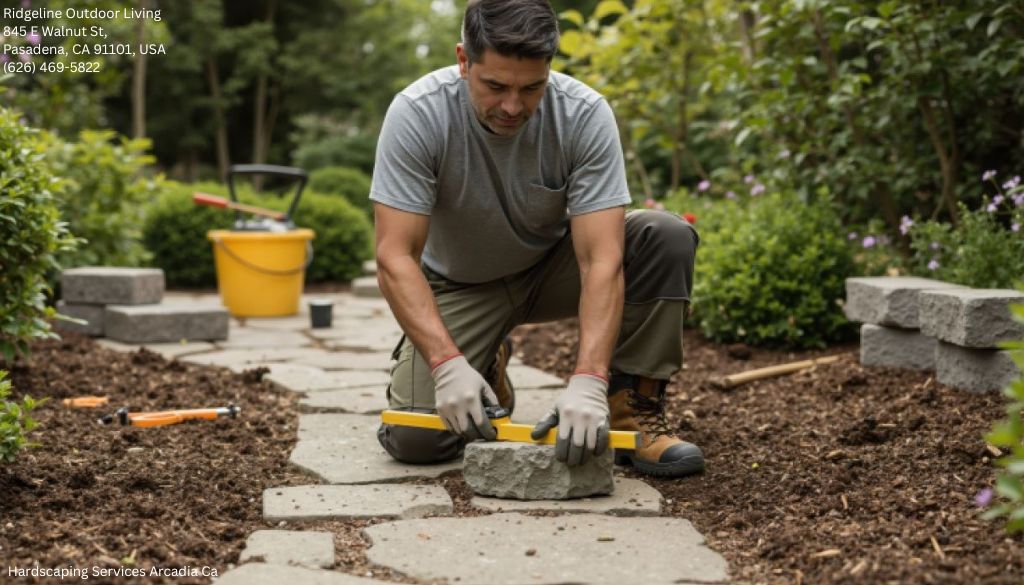
Paver systems let us draw those distinctions with subtlety. We might lay a large-format porcelain paver for the dining terrace, then shift to a textured concrete paver in the lounge. The change underfoot acts like a quiet signpost. On sloped Los Angeles lots, we use low retaining walls and short steps to terrace zones rather than pushing everything onto a single plane. Done well, the layout feels like a string of rooms, not a single patio parked behind the house.
Clients often ask what size these spaces should be. For sit-down dinners, plan on roughly 12 by 16 feet to comfortably seat six to eight with circulation. For a lounge with sectional seating and a fire table, 14 by 16 feet is a proven starting point. If space is tight, we shape curved benches into a corner and reclaim square footage that would otherwise die behind chairs.
Paver selection matters. Homeowners read pieces like 15 Paver Patio Designs Los Angeles Homeowners Love for inspiration, then we test stones on site to check heat gain, slip resistance, and match to the home’s palette. Installed paver patios in our market commonly range from about 18 to 35 dollars per square foot depending on stone, base prep, access, and edge detailing. The premium buys longevity, repairability, and crisp lines that keep a party setting beautiful year after year.
2) A service-forward outdoor kitchen, engineered for real use
A grill on wheels can feed a family of four. A built-in kitchen with proper ventilation, landing areas, and utilities can feed a crowd. Ridgeline’s rule is 24 inches of counter space on both sides of the primary grill, at least 15 inches on either side of a sink, and a clear path from the indoor fridge to the outdoor cold storage. We size gas lines for simultaneous appliance use, provide GFCI-protected power in weather-resistant boxes, and design venting that draws smoke up and away from faces, not into the eaves.
How Much Does an Outdoor Kitchen Cost in Los Angeles? For a masonry island with a quality 36 inch grill, side burner, sink, and 8 to 12 linear feet of countertop, most projects land between 20,000 and 45,000 dollars installed. Add a pizza oven, ice maker, kegerator, or custom steel and you might see 50,000 to 85,000. Tile or porcelain countertops drop cost; slab granite, Dekton, or sintered stone raise it. Gas trenching, structural work on a deck, or running a new subpanel are the usual wild cards.
A small anecdote from a Hancock Park project says a lot. The owner wanted a showpiece grill. We countered with a mid-line grill, but added a 30 inch warming drawer, a dedicated prep sink, and a pull-out trash and recycling bay. Dinners for twelve now run on time because the staging works. Guests notice the flavor, not the brand badge.
3) Beverage stations that keep guests out of the kitchen
A good bar trims steps and breaks traffic jams. We like to carve a 5 to 7 foot section of counter solely for drinks, with its own undercounter fridge and a deep bar sink. If you entertain with draft beer or kombucha, we build a vented bay and a short, well-insulated run for lines. Without that planning, warm kegs and foamy pours are the norm on summer afternoons.
Batch cocktails shine outside. We leave room for a 2 to 3 gallon dispenser and an ice well. For wine lovers, quiet-rated beverage fridges with divided zones keep whites crisp while reds rest. A well-placed rail or pass shelf creates a friendly lean-in point and reduces cluster around the main island.
Cost-wise, expect 3,000 to 10,000 dollars in components for a tidily equipped wet bar, plus masonry and utilities. If the goal is true set-and-forget entertaining, the dollars usually beat buying bags of ice and turning your indoor fridge into party central.
4) Fire features that work twelve months a year
Even in Los Angeles, evenings cool enough to warrant flame are frequent. A gas fire pit or a linear fire channel extends party time and offers a natural focal point. Round pits foster face-to-face conversation, while linear burners along a low wall frame views and allocate seating neatly.
We focus on three details. First, wind. We shield flame with tempered glass or site the feature on the leeward side of hedges or masonry. Second, clearance. NFPA and local code govern setbacks from structures and overhead elements. A common guideline is at least 10 feet from combustible structures and 6 feet from furniture backs, but we verify for each jurisdiction. Third, fuel access. We run dedicated gas lines with shutoffs and proper ventilation in the cavities, no improvising with portable tanks within enclosed bases.
Budgets for fire features usually fall between 3,000 and 12,000 dollars depending on size, materials, and whether a seat wall wraps the feature. For style research, clients often show us screenshots from 12 Backyard Fire Pit Ideas for Entertaining Year-Round, then we test stone samples next to evening uplights to confirm the look at night matches the daytime appeal.
5) Shade architecture that tames Western sun
Guests will leave a beautiful party if there is nowhere to escape afternoon glare. Shade is not an accessory in Southern California, it is infrastructure. Pergolas, covered patios, and hybrid trellis systems each have a place. Pergolas let breeze and light through while defining space, and they pair well with vines like wisteria or bougainvillea, although we always respect maintenance and mess. Covered patios offer deep shade, better rain protection, and the chance to add ceiling fans, heaters, and recess lights.
We weigh span, wind exposure, view preservation, and budget. Powder-coated aluminum and steel hold clean lines and low maintenance, while high-grade cedar or engineered wood deliver warmth but ask for periodic refinishing. Motorized louvers give control over sun and light rain. For many Los Angeles homeowners, the decision echoes the perennial question from Pergolas vs Covered Patios: Which Is Right for Your Home? If you host daytime events and want to mount lighting and speakers, a covered structure often wins. If you prize sky views and a garden feel, a pergola earns its keep.
Expect 8,000 to 35,000 dollars for most shade structures we install, with larger integrated roofs climbing higher when tied into the home.
6) Lighting layered for conversation and safety
The fastest way to ruin a garden mood is a single bright flood. We layer lighting so guests read plates, find steps, and look good in candid photos. Warm LEDs around 2700K cast a flattering tone. We combine ambient wash lighting under capstones and along seat walls, task lighting under counters and at grills, path lighting that defines routes without glare, and accent lighting for trees or sculptural pieces.
Controls matter as much as fixtures. We program scenes on simple wall-mounted keypads or via phone, so the host can shift from pre-dinner to dining to stargazing with one touch. Dimming hardscaping services Pasadena extends late-night use without attracting bugs. For ideas and missteps to avoid, homeowners often browse 10 Outdoor Lighting Ideas for Los Angeles Landscapes and its companion on mistakes. We practice what those guides preach, including shielding to preserve neighborhood darkness and prevent hot spots on paving.
A whole-yard package that is reliable, serviceable, and beautiful typically runs 3,000 to 15,000 dollars in our experience, depending on lot size and number of fixtures.
7) Audio and network backbones guests never notice
The best outdoor audio disappears into planting beds and eaves. We spread satellite speakers and in-ground subwoofers so the volume stays even and conversation-friendly. A single loud source always tempts the host to crank volume so the back corner can hear, which drowns the front row. Multiple speakers at low levels keep everyone happy.
Network connectivity saves the day when the playlist lives on a phone or a sporting event streams outdoors. We run conduit for low-voltage wiring and add a weatherproof access point outside. Hosts no longer fumble with spotty Wi-Fi or Bluetooth range. If your yard has multiple entertainment zones, wired backhauls prevent hiccups when twenty guests join the network.
8) Microclimate tools: heaters, misters, and fans
Heat rises under a roof, so we mount radiant heaters to warm people rather than air. Infrared units distribute heat evenly, work in our breezier canyons better than mushroom heaters, and free up floor space. For summer afternoons, high-pressure misters cool dramatically while keeping furniture dry, especially when paired with fans to move air. We size pumps and nozzles to avoid drips and hard water spotting, and we coordinate placement away from polished stone or outdoor TVs.
On a steep Studio City hillside, one client doubted heaters would matter. We installed two low-profile units integrated into the beam line. Their daughter’s November birthday dinner moved from a two-hour event to a four-hour evening with warm shoulders and no coats. Climate control is the difference between a one-season patio and a four-season room.
9) Planting and surfaces that respect drought and wear
Entertaining brings chairs scraping, kids running, and the occasional spill. Surfaces and plants need to shrug it off. Drought-tolerant landscaping remains a smart investment for both water bills and aesthetics. We draw from The Best Drought-Tolerant Plants for Los Angeles Yards and 15 Water-Wise Landscaping Ideas for California Homes, choosing species that handle reflected heat and foot traffic near dining and play spaces. Kangaroo paw, manzanita, rosemary, and westringia hold sculptural form and low water needs when drip irrigated correctly. We also plan root spaces so trees do not heave new patios five years in.
For lawns, the Artificial Turf vs Sod question deserves an honest look. Sod delivers softness and moderate surface temperatures but expects water and mowing. Quality artificial turf gives a clean, year-round green with far lower water use, and it takes chairs and high-traffic games without ruts. We insist on proper base compaction, a turf with a heat-reflective infill when possible, and drainage layers that flush spills and pet use. Artificial Turf Installation: Everything Los Angeles Homeowners Should Know rings true when it says the subbase and seams make or break the job.
10) Drainage that protects the party and the property
Spilled ice melts. Foggers add moisture. Rain, although rare in summer, will arrive during the holidays when you want to show off the patio. Effective drainage is invisible but vital. We slope paving subtly, often 1 to 2 percent, toward slot drains or area drains that tie to a French drain or a curb discharge, always in line with city code. On hillside properties, retaining walls and subdrains control runoff so it does not undercut seating terraces or send water toward the home.
French Drains Explained: Protecting Your Property From Water Damage holds up for homeowners who want a primer. We follow those principles, then tailor to soil. Decomposed granite and clay behave differently during storm events. In Los Angeles, French drain installations commonly run 40 to 80 dollars per linear foot, while complex hillside systems climb because of access and export. 10 Signs Your Yard Needs Better Drainage are sadly familiar to us: puddles at slab edges, algae on walks, or mulch that migrates after a storm. Solve drainage while you build, not after chairs sink into soft ground at your first big dinner.
11) Materials and circulation from street to seat
Great parties begin at the curb. Guests notice an easy approach and clear wayfinding. Driveway paving that balances beauty with turning radii stops guests from walking in the street. We match driveway upgrades to home style, whether that is a clean concrete grid with drought-hardy groundcover or tailored pavers that echo entry steps. Pieces like 15 Driveway Paving Ideas to Improve Curb Appeal help clients see range, but we refine to handle slope, tire scuffing, and oil drip realities. The Most Popular Driveway Materials in Los Angeles often align with porcelain and concrete for heat control, while tumbled stone softens historic facades.
Underfoot, we aim for slip resistance without grit that scrubs bare feet. Around pools, textured porcelain or sandblasted stone do well. Paver Patios vs Stamped Concrete: Pros and Cons frequently enters the discussion. Stamped concrete can be cost-effective at roughly 12 to 20 dollars per square foot installed in our area, but repairs show. Pavers cost more up front, yet individual stones can be swapped, and the joints help manage minor slab movement. When budgets allow, pavers tend to win for long-term hosting.
12) Privacy, wind, and sound control that set the mood
Guests unwind when they sense a boundary between public and private. Privacy is rarely a single fence. We layer hedges, trellises, and screens to soften views while meeting code. Evergreen hedges like podocarpus give excellent screening on tight lots. On hillside properties, board-formed concrete or stone retaining walls do double duty: they make level space and bounce sound back into the party rather than toward neighbors. Retaining Walls for Hillside Properties: What Homeowners Need to Know and The Complete Guide to Retaining Walls in Los Angeles both stress engineering. We agree and always involve structural design for walls above modest heights, especially with surcharge from patios or parked cars.
Sound behaves oddly outdoors. Hard walls reflect. Dense plantings absorb. Water features add white noise that masks street sound, and they partner nicely with fire for a resort feel. Homeowners exploring 12 Water Feature Ideas for Luxury Los Angeles Backyards usually fall in love with one that fits their space: a blade spill from a low wall near the bar, or a rill that edges a dining terrace where conversation can still carry. We size pumps to keep flow gentle rather than shouting over music.
The invisible scaffolding that keeps hosting effortless
Utilities and permitting are not party talk, but they decide whether a beautiful design becomes a stress-free landscaping guides experience. Gas lines need pressure calculations when multiple appliances run at once, electric subpanels must cover start-up loads from heaters and misters, and graywater or drainage plans must comply with local rules. We pull permits where required, coordinate inspections, and make sure your insurance carrier would smile rather than frown at your setup.
We also build for maintenance. Clean-out access for drains, unions on gas service lines, removable panels under bars, and spare conduit stubs for future tech keep the space flexible. The upfront discipline preserves weekends when something needs attention.
A short planning checklist to align the design with your gatherings
- Headcount and frequency: casual dinners for six or quarterly parties for thirty. Cooking style: grilling only, pizza nights, or full-service meals with sides and sauces. Sun and wind patterns: where you feel afternoon heat and where breezes funnel. Access and flow: routes from kitchen to bar to table without crossing the grill. Storage and cleanup: space for cushions, heaters, and quick hose access.
What the budget conversation sounds like
Homeowners regularly ask What Does Hardscape Construction Cost in Los Angeles? We answer with ranges and context, then tune to site realities. A cohesive entertaining project that includes terraced paver patios, a modest but well-appointed outdoor kitchen, shade structure, layered lighting, and planting typically begins around the mid 60s in thousands and runs through the low 200s depending on size, materials, access, and hillside engineering. Phasing is feasible. We often stage infrastructure first, then add features like a pizza oven, audio, or misters in future seasons. This approach mirrors 10 Backyard Upgrades Worth the Investment and 12 Outdoor Living Features That Add the Most Value, which both note that kitchens, shade, and lighting return joy and resale.
On resale, 10 Hardscaping Features That Increase Property Value shows why buyers prize low-maintenance patios, thoughtful lighting, and defined outdoor rooms. Our experience in Los Angeles matches that sentiment. Homes with functional outdoor kitchens, comfortable shade, and attractive night lighting show better, appraise stronger, and sit less time on market.
How we adapt for hillside properties
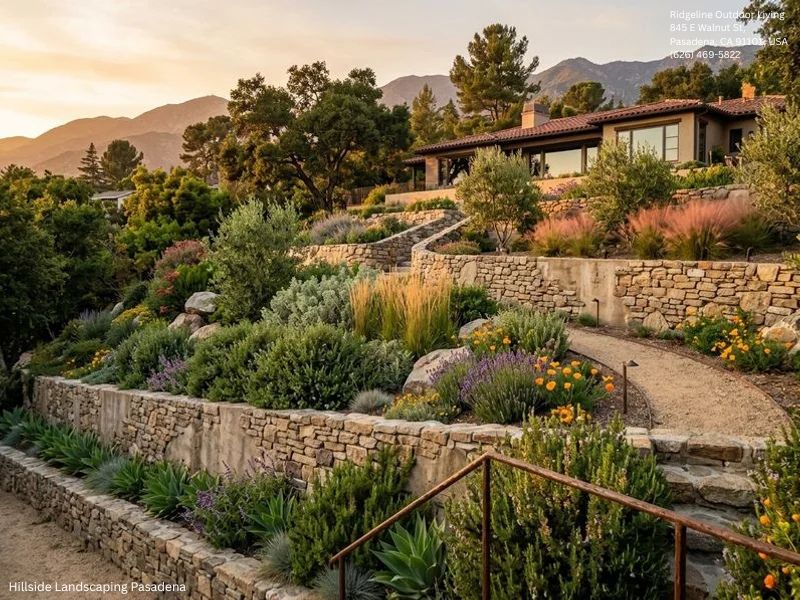
The Complete Guide to Hillside Landscaping in Los Angeles and How Retaining Walls Prevent Erosion on Hillside Properties capture the bigger picture. For entertaining on slopes, we analyze soils, create stable terraces with well-drained backfill, and set railings and seat walls that meet code without blocking views. French drains at the heel of walls, weep holes, and waterproofing membranes are not optional. We plan delivery routes for pavers and steel so neighbors keep their street, and we often lift materials over homes with a small crane to reduce disruption. The payoff is a hillside patio that feels anchored, not precarious.
A quick comparison when clients ask about shade choices
- If you want integrated lights, fans, and infrared heaters, a covered roof handles the load best. If you love dappled light and vines, a wood or aluminum pergola brings garden romance. If the view is precious, keep structures light and low or opt for motorized louvers that open wide. If you host mid-day, deep overhangs outperform slats; for evenings, both work well. If maintenance worries you, powder-coated aluminum beats stained wood over the long term.
The small touches guests remember
Comfort shows up in quiet ways. Seat heights match table heights so knees fit. A simple hand-wash sink near the grill saves a trip inside. Hookups for a projector keep sports nights effortless. Low-voltage path lights sit just beyond mower blades. Storage for cushions sits on the dry side of wind patterns. An herb run between kitchen and grill adds scent and function. These nuances are not expensive, but they require intent early in design.
We have hosted dozens of punch-list dinners with clients the week a project wraps. That is when the theory gets tested. Can four people pour drinks at once without blocking a walkway? Does smoke stay out of faces? Can a left-handed guest reach tongs without crossing a burner? Success is obvious. The party hums, the host leans back, and the space carries the load.
Working with Ridgeline
Pieces like How Ridgeline Outdoor Living Designs Stunning Outdoor Spaces and How Ridgeline Outdoor Living Creates Functional Outdoor Living Spaces hint at our process, but the short version is simple. We begin with listening, measure sun and wind, check utilities, and translate hosting habits into zones, clearances, and specs. We are frank about trade-offs and budget. We prefer materials and layouts that read timeless rather than trendy, though we track Outdoor Kitchen Trends Los Angeles Homeowners Are Choosing so the features you love today still work tomorrow.
If you are weighing contractors, 10 Questions to Ask Before Hiring a Landscape Contractor remains a wise guide. Ask about drainage, gas sizing, lighting controls, and service clearances. If the answers are vague, keep interviewing. Good spaces earn their ease through precision under the surface.
Business Name: Ridgeline Outdoor Living
Address: 845 E Walnut St, Pasadena, CA 91101, United States
Phone: (626) 469-5822
Ridgeline Outdoor Living
Ridgeline Outdoor Living is a Pasadena-based landscape design-build company serving Greater Los Angeles with custom outdoor living, hardscape, and drought-tolerant landscape solutions. The company specializes in patios, retaining walls, outdoor kitchens, drainage, hillside projects, and turnkey landscape construction, handling projects from design and permitting through final build and warranty.
845 E Walnut St, Pasadena, CA 91101, USA
Business Hours:
- Monday – Saturday: 8:00 AM – 6:00 PM
- Sunday: Closed
Follow Us:
Why these twelve features add up to more than the sum of parts
Designing for hospitality is not one big gesture, it is dozens of thoughtful, tested moves. Zoning curbs crowding. A real kitchen reduces trips. Drinks stay cold outdoors. Shade and heaters solve comfort. Lighting flatters faces and reveals steps. Audio whispers rather than shouts. Planting looks good in August and January, without gulping water. Drainage disappears puddles. Materials settle the body. Privacy relaxes the mind. The invisible scaffolding keeps it all running.
When you want to host without effort, that is the system you are buying. It is also why Los Angeles homeowners invest in custom pergolas, practical outdoor kitchens, and well-lit patios, not only for today’s parties, but for a decade of evenings where the only hard work is choosing the playlist.